Although I’ve been blind since birth, I haven’t always fully understood my vision impairment, but the older I got, the more I started to understand it and the more I wanted to learn about it. I also became more passionate about raising awareness and helping others.
Growing up, I didn’t have any disabled role models, there weren’t really any disabled people that I could look up to. I think having a disabled role model would have made such a huge difference for me, it would have taught me some valuable lessons about growing up with a vision impairment. Having someone that I could relate to would have helped me in various ways, we all need someone that we can look up to at times.
As I got older, I really started to engage with the blind/vision impairment and disabled communities, this had a huge impact on my life but also me as a person, I found people that felt exactly the same way I did and that also had similar experiences.
There are many things that I wish I’d known when growing up with a vision impairment, so I thought I’d share some of them with you in the hope that they may help other blind and vision impaired young people.
I want to be that role model in a way.

My vision impairment does not make me a burden
Having a vision impairment is not an inconvenience. It doesn’t make me a burden to need things in an accessible format, for someone to guide me or to need adaptions, it just means that things are being made more accessible for me.
Furthermore, having a vision impairment doesn’t make me a problem either. I think the social model of disability plays a part here as it is society and people’s attitudes that are the problem, not a blind or vision impaired person.
There are so many positives of having a vision impairment
From being part of the disabled community, to the skills it has given me and experiencing life in a unique way, there are many positives of having a vision impairment, but we just don’t always realise it.
The positives can often be overlooked because of the negative stereotypes and misconceptions but for me, the positives outweigh the negatives and I wish this was something I’d realised sooner.
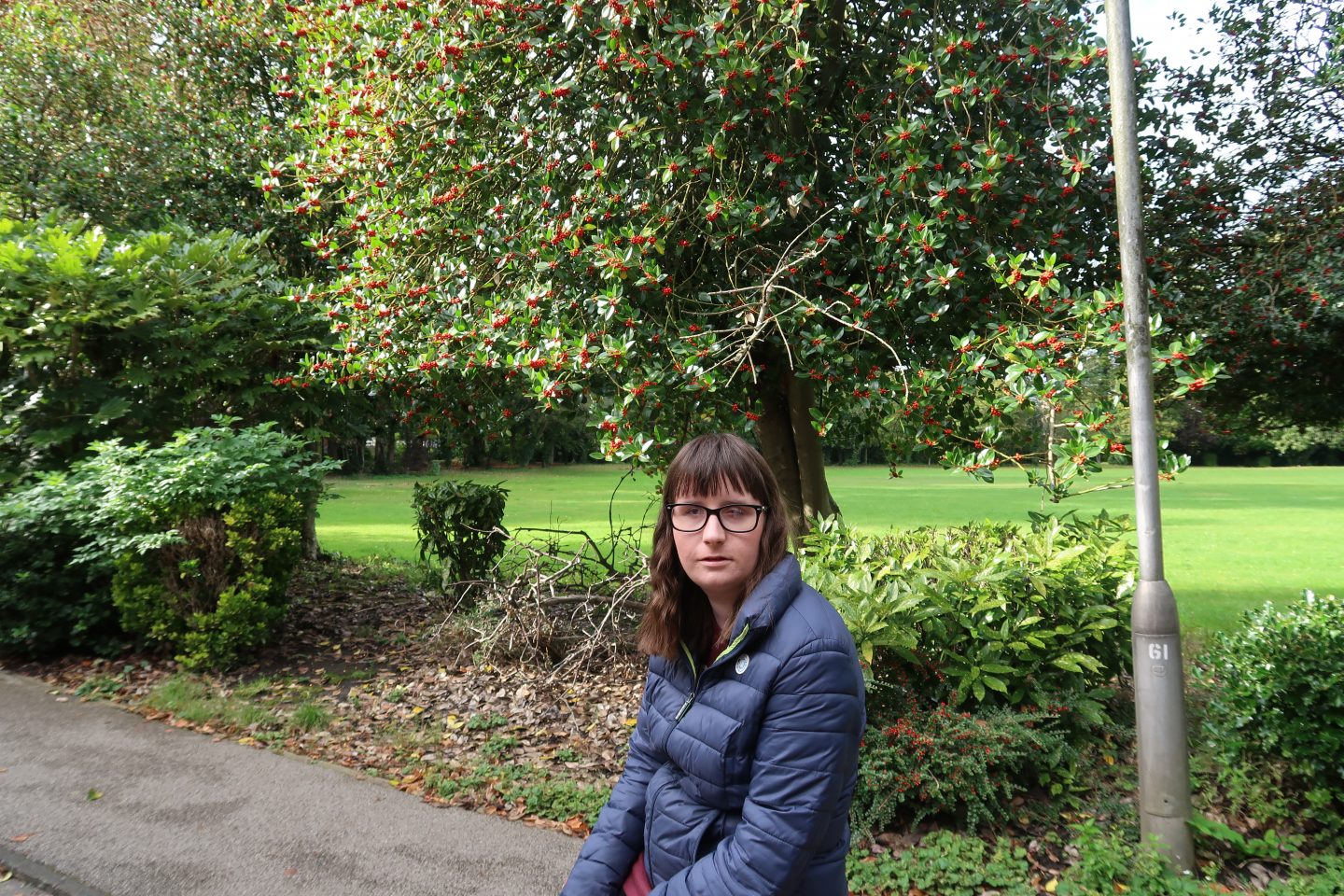
Using a cane will not fill me with dread forever
I think this was possibly the biggest learning curve for me in regards to my vision impairment.
I used to avoid using my cane but as I got to know other blind and vision impaired people, I found out that I wasn’t actually the only one that did that, or that the thought of using their cane filled them with dread just like it did me. I gradually became more comfortable with my cane and things changed from then on.
When I turned the corner and realised the benefits of using a cane, it completely changed my perspective, picking up my cane without a second thought was such a huge achievement, something that I never thought would be possible, and I know that many other blind and visually impaired people feel exactly the same.
Having some help and support doesn’t mean lack of independence
If someone needs a bit of help and support with certain tasks, society views them as not being independent or being incapable. However, that isn’t the case at all. There is nothing wrong with needing some support or assistance, we all do from time to time.
When I was at school, I had wonderful Teaching Assistants who supported me in lessons and put work into an accessible format for me. People would often assume that I wasn’t independent because I had some support when that wasn’t the case at all, they helped me with visual tasks a lot of the time.
As I got older and became more independent, I wouldn’t have my Teaching Assistants in lessons with me as much as that was my own choice, I wanted to do things on my own just like my sighted peers but most importantly, I wanted to be independent. However, people would question whether I was capable and ok to be in lessons on my own, they assumed that I constantly needed support which wasn’t true.
I had a bit of support at University but that was mainly for visual aspects or tasks that would take me considerably longer because of my vision impairment.
It is important to remember that blind and vision impaired people can be independent but equally, it is ok to need support, having support doesn’t mean a lack of independence.
It won’t always be confusing
This sighted world we live in wasn’t exactly designed for those of us that can’t see, so things can get confusing at times, but it isn’t like that forever.
We learn about our condition and we find out what adaptions work for us and which do not. We become experts in the field of vision impairment.
Things fit into place and it becomes our normal.
Acceptance is key
Every blind or vision impaired person goes on their own journey of acceptance with their vision impairment, it is often a rollercoaster of emotions but that journey of acceptance is possible.
When we’re younger, we often feel different to our peers and may have experiences that make accepting our sight loss that bit harder. WE all deal with our vision impairment in a different way.
One thing I think I needed to remember that acceptance is wonderful, it is a way of looking forward to the future, it shows that you are determined no matter what life throws at you.
Not everyone will get it
I used to get frustrated when people didn’t understand my vision impairment and didn’t look beyond it and see me for the person I am, many thought that it wasn’t cool to be friends with the blind girl.
However, that isn’t always the case. There is a lot of awkwardness surrounding disability because of the many stigmas and assumptions which can have an impact on the way a person views disability.
I still get frustrated by people’s assumptions, but I have learned when to educate people and when people really don’t want to try to look beyond my disability.
Not everyone will get it and that is ok.
I would much rather be surrounded by people that understand my disability and that are supportive, caring and love me for the person I am, rather than those that do not.
Having a vision impairment is nothing to be ashamed of
I’ve never been ashamed of my disability, but I felt different to everyone else, especially during my teenage years.
My disability has given me some unique skills, it means that I am part of the vision impairment and disability communities, it has allowed me to see the world from a unique perspective and taught me a lot about life, what is there to be ashamed of about that? Nothing at all because those are some of the wonderful things of having a disability.
I may have my differences, but we are all unique in our own way.
At school, I noticed that I was different to everyone else, I read braille, used assistive technology and used a long cane which I thought made me stand out even more than I already did. The truth is, these things may have made me different, but they enabled me to do my work, carry out tasks and get around independently, and that is nothing to be ashamed of.
The more I became part of the vision impairment community, the more I realised that there were others just like me. My vision impairment shapes me in many ways but that is nothing to be embarrassed or ashamed of.
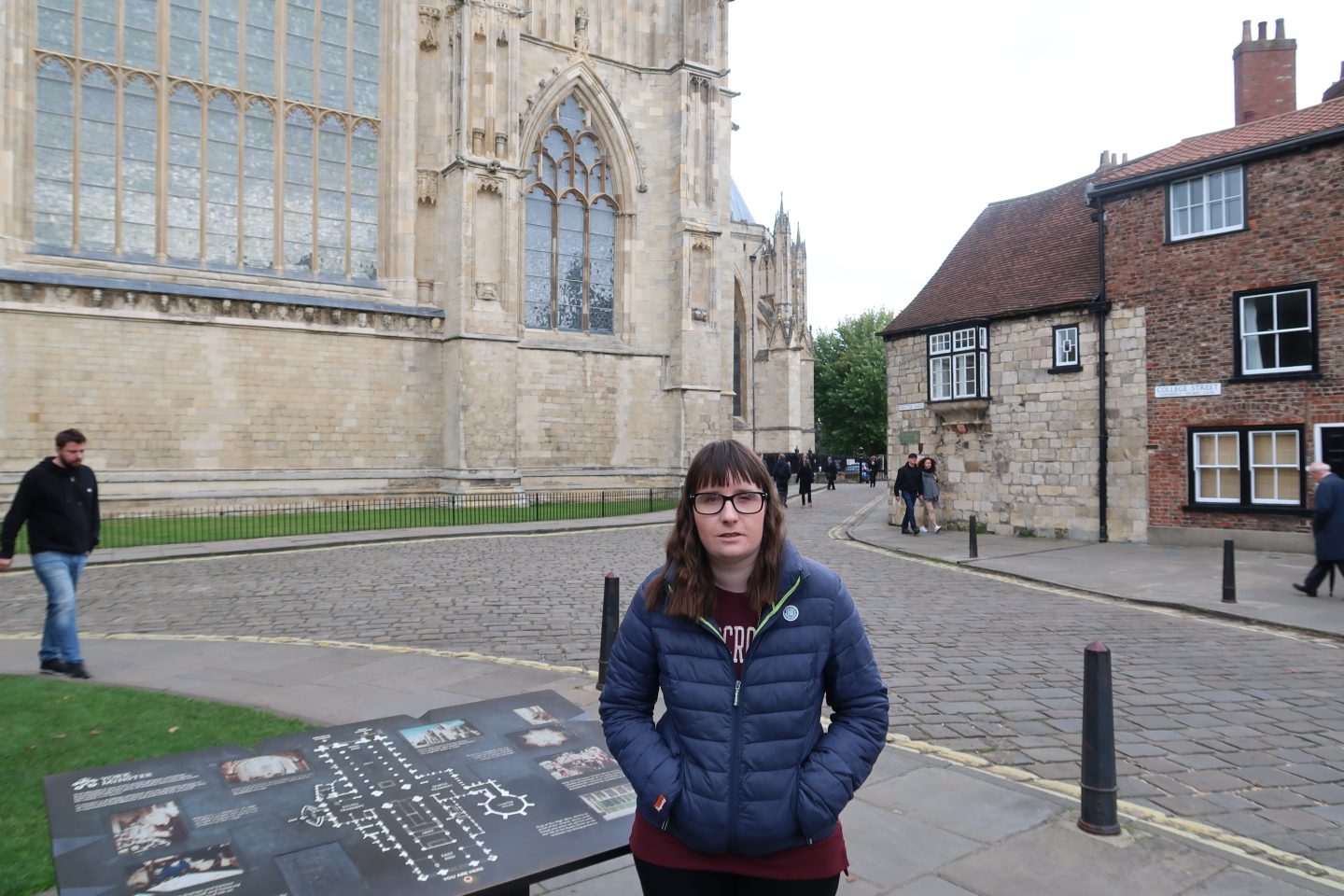
The puzzle pieces will eventually fit together
Living with a vision impairment can be challenging because we find out what is accessible, what isn’t, and we are discovering the world around us. Accessibility is getting better, but we still have a long way to go so things are sometimes a bit harder for us.
As I got older, the puzzle was gradually completed – I figured out who I was, what I wanted to achieve, and I learned more about my vision impairment. The more I grew as a person and learned about my vision impairment, the more I understood it and really accepted it. That all helped me to see the positives and really embrace it and learn to love it.
I still face challenges, but I know how to deal with them and face them head on.
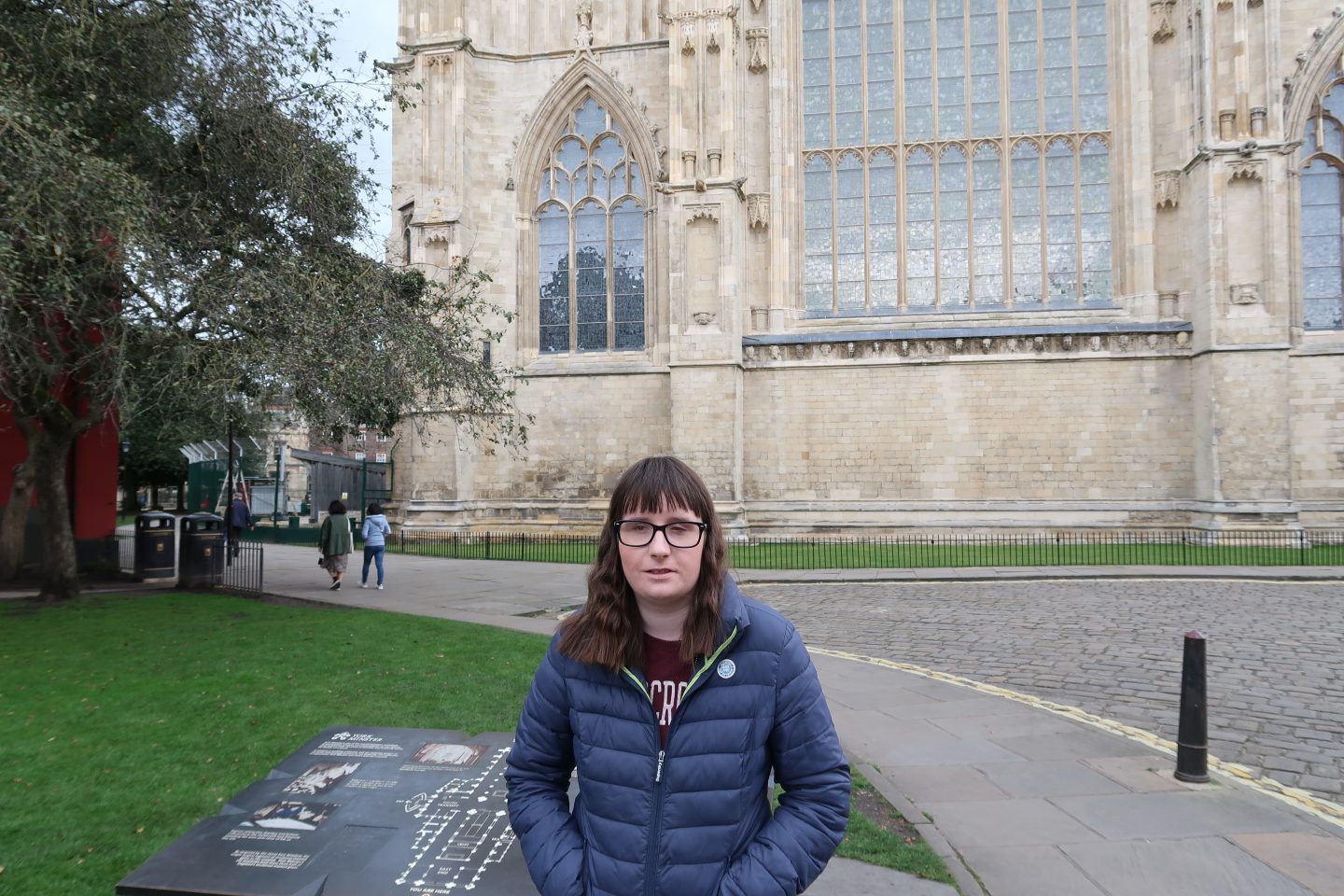
Even though these are a few things I wish I’d known when I was growing up with a vision impairment, I’m glad that I’ve been able to learn them over the years. Looking back and reflecting on them, it really shows how far I’ve come in terms of loving, embracing and accepting my disability.
By sharing the things that I wish I’d known when I was growing up with a vision impairment, I hope that I can help others in a similar situation.
What are some of the things you wish you’d known about growing up with a disability?
Holly x

![There’s a phrase we hear far too often: “fully accessible”.
Hotels use it. Venues use it. Website developers use it. Event organisers use it.
On the surface, it sounds brilliant. But there’s no one size fits all approach to accessibility.
Because accessibility isn’t a box you can tick once and forget about. There isn’t a magic point where something becomes accessible to every single disabled person.
Our access needs are different. What works for one person might not work for another.
Rather than asking, “is it accessible?”
Ask: “Accessible for who?”
In my latest blog post, I’m exploring why “fully accessible” is a myth. Head to the link in my bio if you’d like to give it a read.
[Image descriptions:
Image one: Holly stood on a pier, leaning against a railing by a sandy beach with the sea in the background. She wears a black T-shirt, a skirt with a colourful floral pattern, a silver necklace and glasses.
Image two: Holly sat on a low stone wall beside a shallow stream with a path running alongside it. Dense green bushes and trees line the far bank, forming a thick hedge along the water. There is a small bridge and a building in the background. She wears a black T-shirt, a long, multicoloured patterned floral skirt and a silver necklace.]](https://lifeofablindgirl.com/wp-content/plugins/instagram-feed/img/placeholder.png)
thanks for sharing your post… very touching and inspiring
Thank you
you’re welcome
Hi Holly. New here. I enjoyed this. You had great points. I wrote a blog at the beginning of Oct. on “3 Reasons I’m Glad I’m Blind,” but had a different twist than you. LOL. I’m looking forward to reading more posts from you.
Hi Jena, thank you, really glad you enjoyed reading. Sounds great! Welcome to my blog, hope you enjoy my posts
I really enjoyed this post. I connected with a lot of the points you shared. I feels great to know that I am not alone with these feelings.
Thank you, hope it helped in some way. You’re definitely not alone
Hi Holly
I work with children and young people who have a visual impairment and will be sharing this with them. Thank you for your reflective and positive message
Thank you, I hope they find it helpful
Hi Holly, I like to read and to write. I try to comprehend how the vision impairment affects everyday tasks. I learn a bit at a time.
I really enjoyed your writing; the maturity of your thoughts are touching me and I don’t have, at the moment, a visual impairment.
With the present aging trends, people might get more visual conditions. We are doing it to ourselves inadvertently by glueing our faces, 24/7, to an screen.
When you talk about having role models I think that it is a great point. You will probably have great skills to be a mentor. Thanks for sharing your ideas. Ángela
This is lovely, thank you so much, that means a lot