I’m always sharing my experiences of living with a vision impairment on my blog, I’m constantly trying to raise awareness of vision impairment and disability, tackle the stigmas and educate non-disabled people. As I’m sure you can tell, it’s something that I’m very passionate about.
A few months ago I published a post about what disability means to me, whilst doing a bit of reflecting on that, I soon realised that the many connotations of what disability means to me are actually the things that make me unique – the skills it has given me, how it has set me apart from sighted people (in a good way) and the impact it has had on my life.
I want to discuss the so-called differences that crop up when you’re living life with a disability and whether they make you different to everyone else or not.
Non-disabled people often view disability as something negative, the positives are sometimes overlooked. By sharing my experiences and raising awareness alongside many other incredible disabled bloggers and creators I do hope that people start to see the positives and disability becomes something that everyone accepts to be a normal part of society.
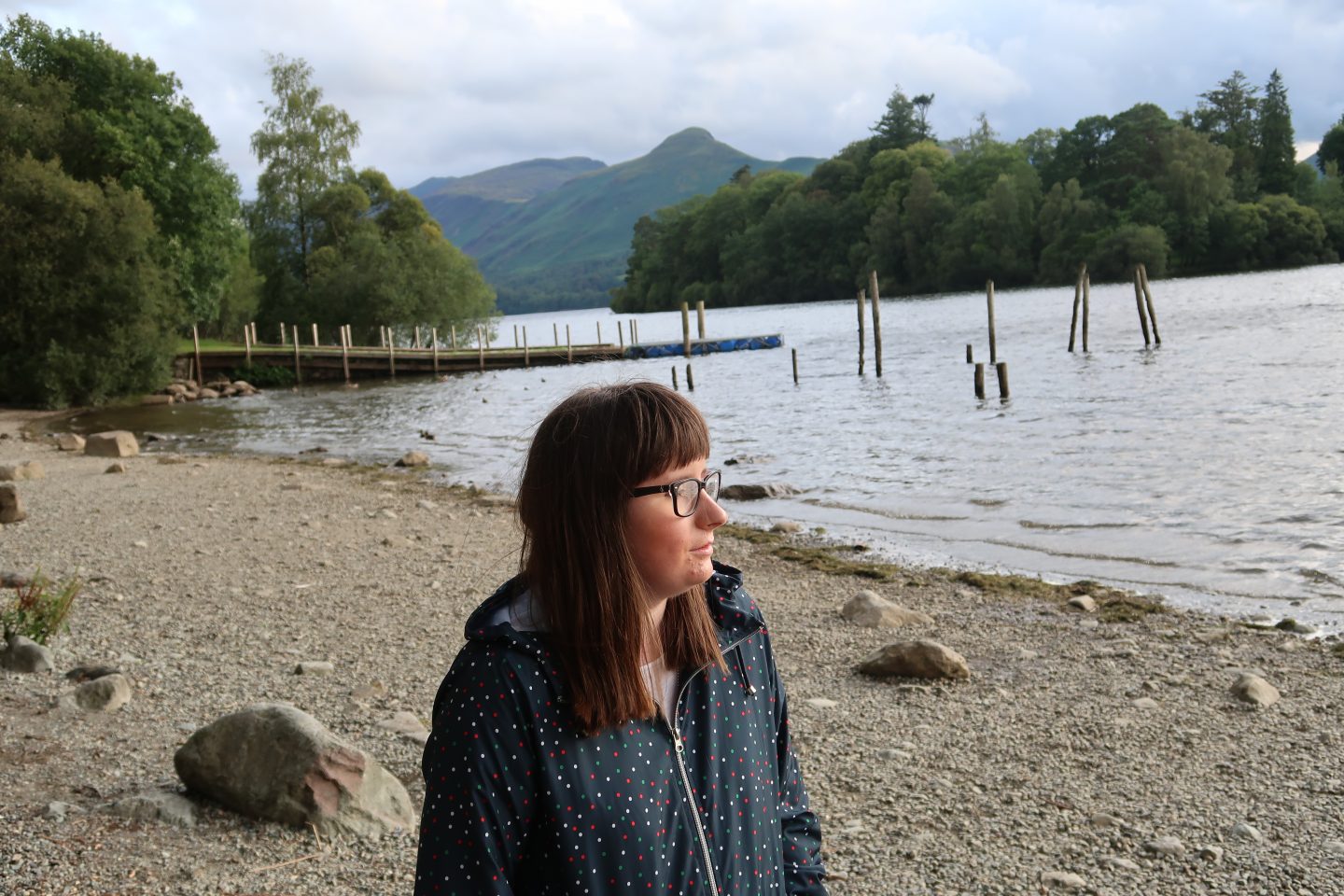
I’m always saying that I want sighted people to know that blind and vision impaired people aren’t different, and we want to be treated like everyone else. Whilst all of this is true, I think it is important for us to love, embrace and accept our differences. We don’t always highlight and acknowledge our differences or talk about them in-depth so that’s something I wanted to do.
Disabled people constantly face barriers, have to jump over a countless amount of hurdles and fight for equality, we are always proving how we are the same as non-disabled people. Therefore, we may not give our differences as much value because we’re fighting to be like everyone else, but they should be celebrated.
What are my differences?
Like many other disabled people, I spend so much time trying to be equal to everyone else, but it is hard to ignore my differences. Why should I have to ignore them? They are part of my identity, and I shouldn’t have to hide that.
There are aspects of my life and my disability that make me different and that’s okay, there’s nothing wrong with that.
These differences make me unique, they set me apart from others and are a huge part of my life.
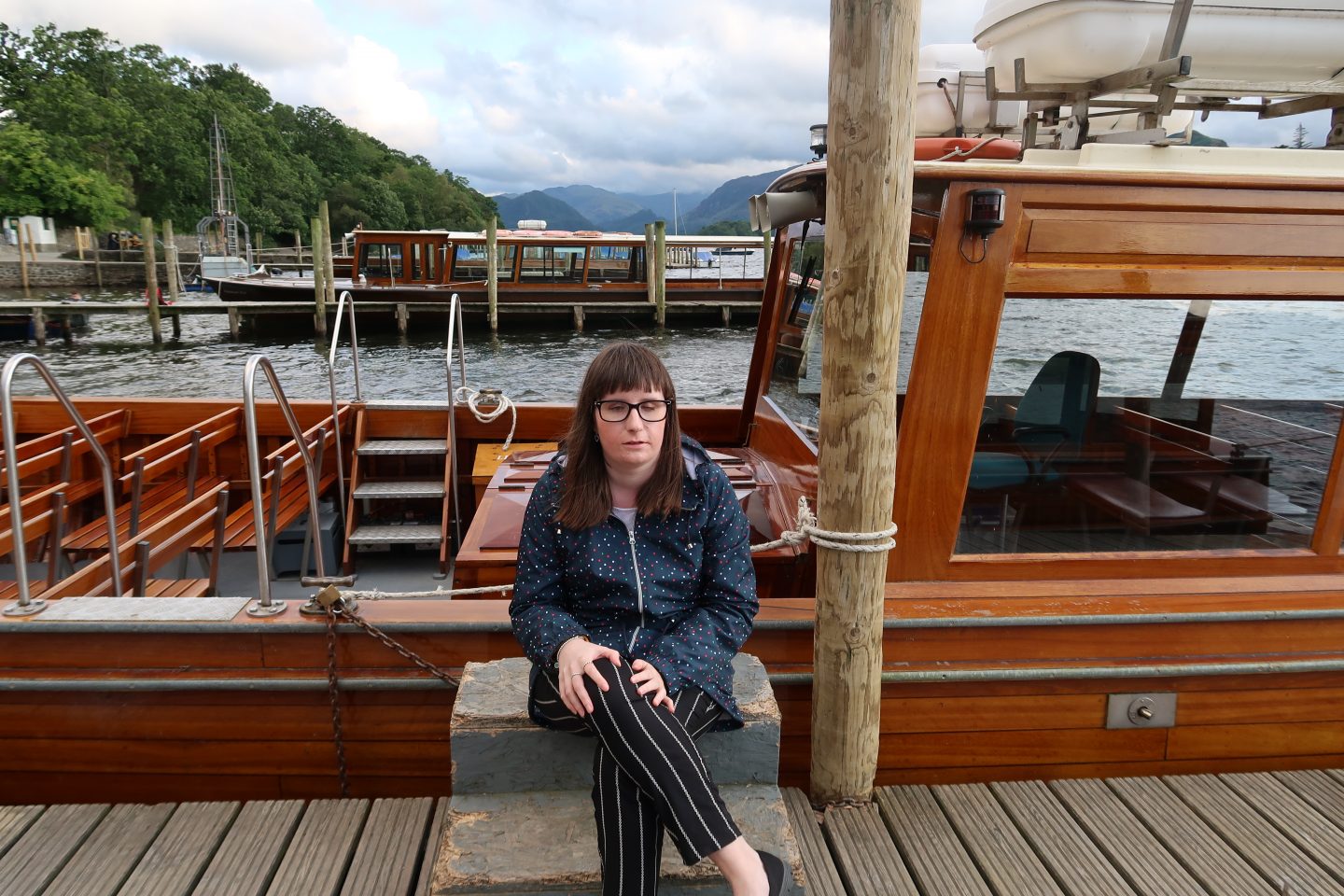
Unless you have a disability, it isn’t the norm to use a mobility aid, use assistive technology or need documents in an accessible format, but I’ve learned to accept and love all my differences. I may need sighted guiding, I use a long cane, I may need some assistance from time to time and I might do certain tasks in a different way to sighted people, but I’ve accepted these aspects of my life that make me different. Although they make me different, they are my key to independence, and my way of completing tasks just like everyone else.
There’s no denying that I’ve always felt different to my sighted peers, especially when growing up. Although I embrace those differences now, during my time in education they were always creeping into the back of my mind and I didn’t embrace them like I do today. I used a laptop or a rather large, noisy braille machine to do my work like everyone else, my work had to be put into an accessible format and I often felt like my disability wasn’t understood.
When I went into sixth form, everyone was learning to drive, but I obviously couldn’t do that. It is something so small, but at the time it felt like something huge, but in the grand scheme of things it wasn’t significant at all.
I wanted to show people that I wasn’t different despite having a disability, and I wanted them to realise that I was just like them in many ways. I didn’t understand why many people couldn’t look beyond my disability and see me as a person, not just my vision impairment.
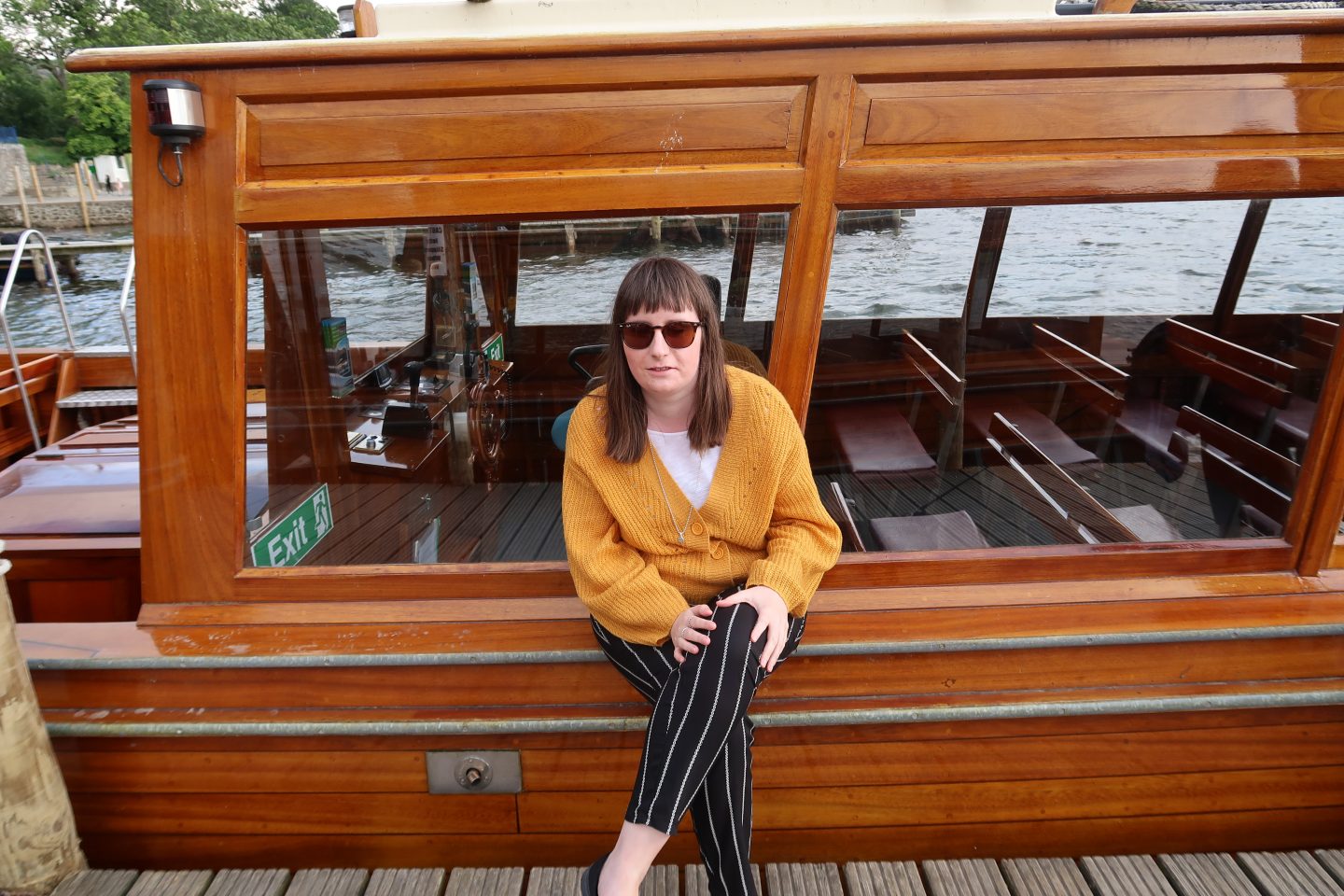
In a recent radio interview I spoke about how a disability can be seen as something negative when you’re younger, especially for children, and I think that was the case in terms of the way I thought my disability set me apart from everyone else, I would often view the negative aspects rather than the positives. As I got older, I really started to realise the positives and learned to love it.
As I embarked on my University journey, my attitude towards my vision impairment and differences changed, my confidence grew and I really started to love and accept my disability. I realised that my disability could enrich my life in so many ways, it was a real turning point for me.
Other people in my classes didn’t use a laptop or a braille machine to do their work because they didn’t have to, but I did, and does it matter if that wasn’t the norm? Not at all.
I’ve gone through many phases of learning to love my differences but I think I have found a good balance and I have a mindset that I do have some differences and many of those are as a result of my disability but not the person I am.
The things that make me different give me independence, they allow me to navigate this sighted world and make it more accessible for someone with a vision impairment.
I have discussed some of my differences but I think it is very important to highlight the fact that having a disability may make me different in some ways, but in many ways I’m just like others, I just happen to have a vision impairment.
I’m not different in the person I am – I have hobbies and interests, I have goals and ambitions, , I can hold down a job, I’m hard working, I have a good group of friends, I can have fun and enjoy life and do so many other things that people consider to be ‘normal’. Whilst we may have differences to non-disabled people, it doesn’t mean that we can’t be none of these things listed above because we most certainly can.
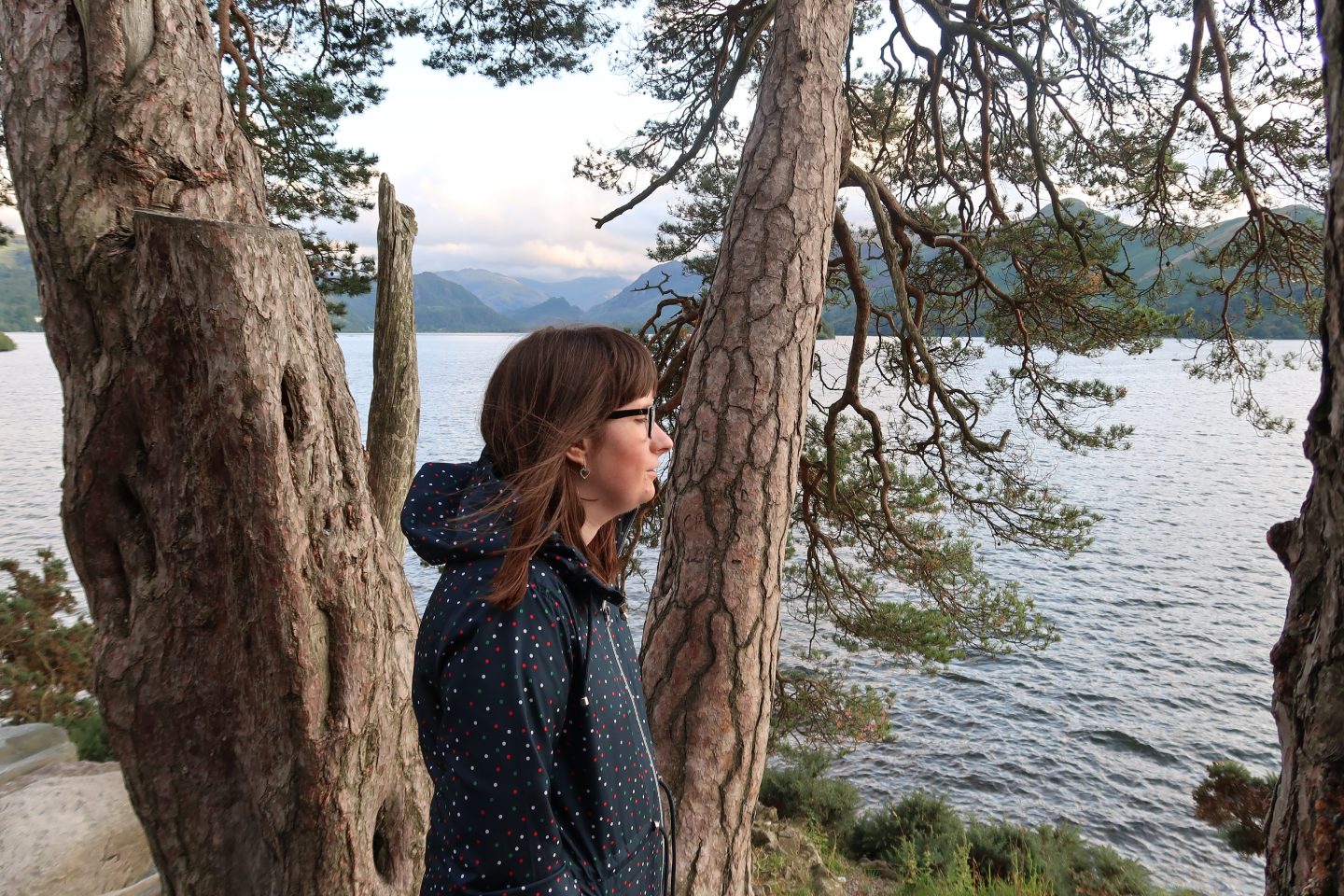
Learning to love my differences
Every disabled person goes on their own journey with their disability. Learning to love and accept my differences was a part of my journey.
My disability may mean that I have some differences, but it is important to stay true to myself and focus on my ambitions and what I want to achieve in life. We should acknowledge our differences but shouldn’t get too caught up in them because we are so much more than that.
I might come across people that don’t look beyond my disability or see me for the person I am, I might walk into things and have a couple of blind girl moments. I might stand out from the crowd but surely I should embrace that.
Nothing should stop us from being our true selves, we should embrace the things that make us who we are, even if that is our differences and little quirks.
We should never feel ashamed for standing out from the crowd.
Having a positive mindset, embracing my differences, surrounding myself with people that love me for the person I am and striving to achieve my goals has all lead me to love my differences.

How different am I?
Let’s break it down – other than having a vision impairment which means I’m a cane user, I use a range of assistive technology and can read braille, I’m not that different to your average sighted person, my disability isn’t my only passion, far from it.
Yes, my disability means that I’m different in some ways, but those differences don’t take away the person I am, they add to it and make me that little bit more unique.
My friends and family tell me that they don’t see me as being any different to them, I’m more than my blindness.
We should focus on the ‘able’ part in the word ‘disabled’ and remember what our disability enables us to do, rather than what it disables us from doing.
I can’t drive, I have no useful vision and I can’t see the gifs and memes that are floating around social media, but these are little things and quite frankly, they are all insignificant compared to the things I can do. I’m able to do the things that truly matter to me such as have a job, strive to reach my goals, help others, do my bit in raising awareness of vision impairment and disability and enjoy my life.
It’s no secret that disabled people face barriers, I can’t hop on a train without booking assistance in advance, I have to learn a route when out and about using my long cane and I have to fight for accessibility, all of which can leave me frustrated, but the majority of the time I’m thankful for my disability and wouldn’t have it any other way. These are the things that have had an impact on my life and the person I am, they have made me more determined, they’ve made me have more of a thick skin, they lead me to want to fight for equality and try to raise awareness, there are often positives in negative situations, you just have to look for them.
There are certain aspects of my life that make me different and that’s okay. I’ve learned how to love and accept my differences and be comfortable in my own skin. I embrace the things that others don’t see as ‘normal’, just because they don’t, why shouldn’t I?

The world would be a boring place if we were all the same, there’s no point fitting in when you can stand out.
Learning to love your disability, your differences and the things that make you the person you are help you have more of a positive perspective on life and completely change your mindset.
If I didn’t have a vision impairment then my life would be completely different, I wouldn’t have started my blog and wouldn’t be where I am today, my differences have all contributed to that.
Have you ever thought that you were different to others because of your disability or something else? How did you flip the coin and turn it into something positive? If you feel comfortable doing so then share your advice or experiences in the comments, you may help others in a similar situation.
Holly x
![Not only did I attend the 7 goal thriller between @arsenalwfc and @manutdwomen on the final day of the 2024/25 @barclayswsl season over the weekend, I was also provided with the most amazing audio descriptive commentary.
It’s no secret my love of Manchester United. I’m going to make it known now that I have a pretty big soft spot for Arsenal too.
Many of the Arsenal team are some of my favourites. It’s also clear that the club care about accessibility and inclusion for disabled supporters, something that’s extremely important to me.
And their commitment to accessibility was clear from the call I made to book tickets, right through to the match itself.
But the audio descriptive commentary scored an extra goal or two for me. Audio descriptive commentary is a rarity in the women’s game. It’s something I’ve been desperate to experience for the last few years. Now that I’ve had that experience, I can wholeheartedly say that it completely transforms the experience of the match as a blind fan. I don’t have the words to explain the feeling of inclusion it gave me.
I tried to sum it up, documenting my experience of the match over on the blog. If you’d like to give it a read, head over to lifeofablindgirl.com – a link to my blog is also in my bio.
Thanks to an epic game on the pitch and the accessibility off it, the Arsenal versus United match is by far my favourite game I’ve ever attended. I hope to be returning to the Emirates soon!
@arsenal @manchesterunited @alanmarchsport
[Image descriptions:
Image 1: Holly stood in the Emirates Stadium with a view of the pitch behind her. She’s wearing a light blue denim jacket and is smiling at the camera.
Image 2: A Manchester United player running towards the Arsenal goal in the semicircle of the penalty area. Arsenal players can be seen positioned around her.
Image 3: Two Arsenal players hugging each other after celebrating a goal. Other Arsenal players can be seen running towards them to join in the celebrations, whilst Manchester United players are walking away. The Arsenal players are wearing their red home shirts, and the Manchester United players are wearing their blue away shirts.]](https://lifeofablindgirl.com/wp-content/plugins/instagram-feed/img/placeholder.png)
Thanks for this post Holly. Aside from having to overcome accessibility issues, I think my son with sight loss as completely normal. Well as his mom, and knowing what he’s had to overcome, I actually think he’s an “above average” human. I too have a disability in the form of a chronic illness. Waking up sick — and staying sick for 10 years now — has forced me to live differently. I used to think it was terrible and limiting but now I realize that it has allowed me to always be home for my kids, I’m always available to listen and I’ve been available to help assist my son with learning adaptive skills. Looking back the worst thing that happened to me (getting sick) has lead to many blessings. The worst thing that’s happened to my teen son (sight loss) has made him strong, caring and adaptable. Both disabilities have knitted our little family of 4 closer together ((Hugs))
No problem at all, hope you enjoyed reading. Thank you so much for sharing your perspective, it’s wonderful and I’m sure your view of your chronic illness and your sons vision impairment will help others
Brilliant as always, insightful and helpful
Thank you so much
This is a great post.
I still sometimes struggle with accepting my differences, but mostly I’m able to embrace them as being part of who I am.
Like you, I found it hardest while I was young. Wanting to fit in with the other children is something all kids go through, and the addition of a disability added an extra obstacle to that. In my teens, I was desperate to be like the others of my age, and wished I was “normal” so I could be. But I eventually learned that there’s no such thing as “normal” anyhow, and each of us has something that makes us different. I mean, we all have different hobbies and interests, we like different foods and music, etc, etc. So we’re all different in some way. It’s just that some of us have differences that are more obvious than others. We’re still people though, and like any life experience, those differences are part of what makes us the person we are, but it’s not all we are.
Thank you. I completely agree with you, such an important message
Great post!
Thank you!
Thank you for sharing such an honest post, I’m sure it’s something a lot of people will be able to relate to, I definitely can. It’s all a journey and everyone will go through their own stages of emotion but we should all remember that we’re so much more than our disability and try to embrace all the amazing things we’re capable of xxx
Thank you so much lovely, I completely agree with you! Xxx
This is another excellent post. I have truly come to accept my differences as well. I won’t say getting to this point has always been an easy journey, but I can say I appreciate and love myself now. As a blind person, I think it’s important to know and appreciate who you are as a person. Sadly, we are often going to be in positions where no one around us navigates the world the way we do. So, we have to be okay with standing out and overcoming iinaccessibility. Where I work, there are roughly 8,000 employees. I’m the only blind employee. No one navigates our work the way I do.
Thank you, I 100% agree with you