If you’re a regular reader of my blog, then you’ll know that many of my blog posts address the misconceptions surrounding vision impairment and disability, they also take an informative and educational approach. They draw on my own experiences, they are always honest, and are a true reflection of my life with a vision impairment.
There are aspects of disability that seem to have the limelight, but there are other aspects that deserve to be spoken about just as much. The topic of today’s post is something that I feel needs to be discussed, so I’m giving it centre stage.
Many of us have spent a lot of time thinking about our bodies, or more to the point, other people’s perceptions on the way we look. And in reality, that is doing us more harm than good.
But where does all of this come from?
Firstly, there is a lack of disability representation in the media. Although disability representation is improving, it still isn’t good enough.
There is also a lack of disability representation in the fashion industry.
We now live in a world that’s dominated by social media, so it’s almost inevitable that this is a huge factor as well.
All of these things make it so much harder for young disabled people to have a positive body image and love the way they look. They need people that they can look up to, and they need disabled role models.
We need to be encouraging the younger generation to celebrate their bodies, embrace their disability and love who they are no matter what.
So, that’s why I wanted to step away from my usual vision impairment and disability related topics for this post and discuss something a little bit different. I know that it won’t resonate with everyone, but if it helps one person then that’s what matters.
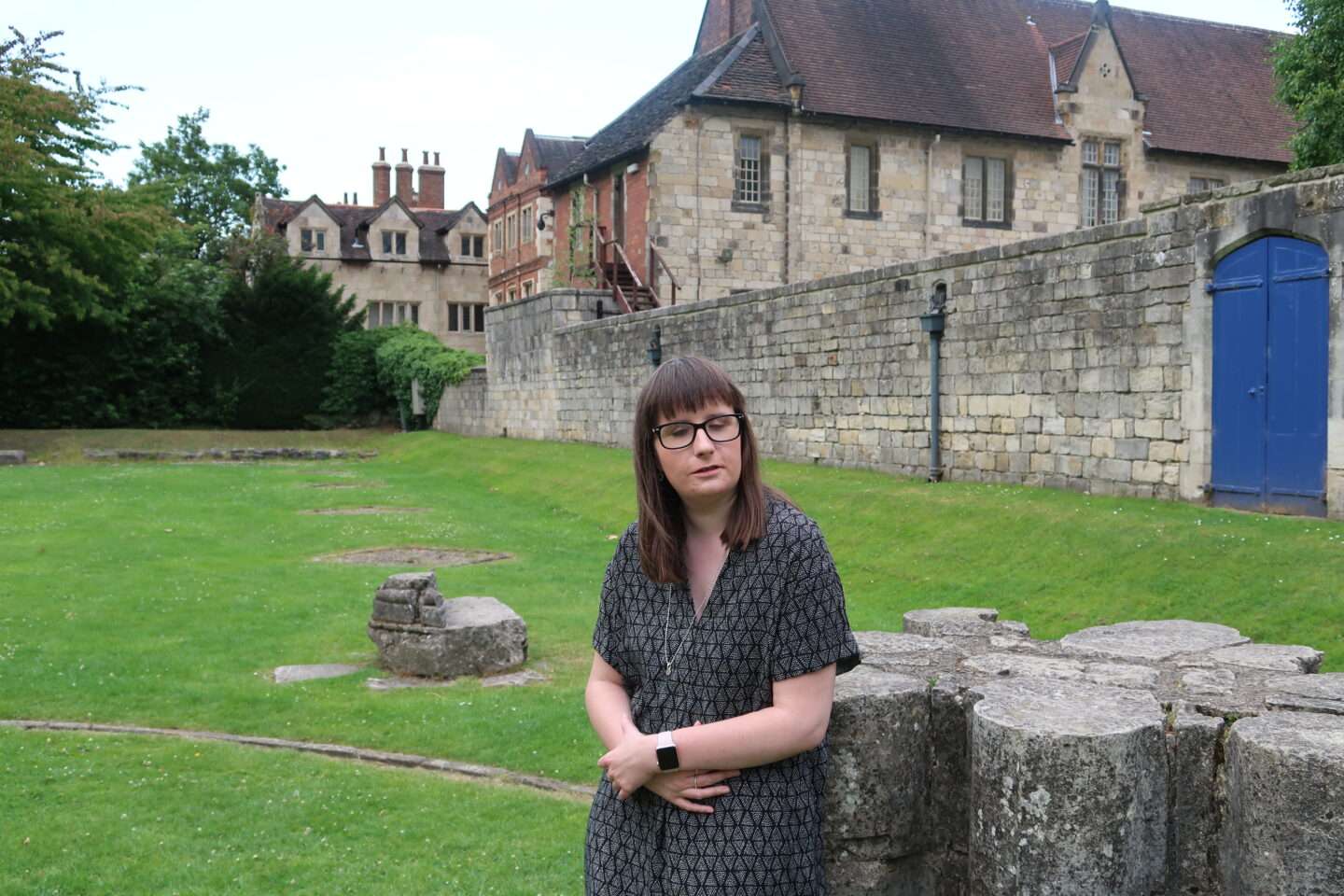
Making fashion accessible
Let’s clear one thing up: disabled people can and do have an interest in fashion. Sure, it isn’t for everyone, but some of us want to keep up with the latest trends. Most importantly, we care about the way we look.
When we see disabled people as models on popular fashion websites, we’re often surprised, but as fellow disabled people, we’re happy. We want to celebrate it because finally we feel represented. But representation should be the norm.
There are many simple things that the fashion industry could do in order to be more inclusive – by making their websites accessible, by ensuring that their stores have good disabled access, making packaging accessible, and making disability awareness part of staff training. But most importantly, to include disabled people in everything they do.
We need to have these conversations in order to create change, and to strive for equality.
Even though I can’t see, I still take pride in the way I look.
For many sighted people, it’s important for them to determine how they look by the visual aspects. But as someone with no useful vision, I can’t do that.
I find my own ways of telling whether an outfit looks good – by the way it makes me feel, or asking people I trust for opinions. I apply my make-up using my own tried and tested methods. I do this by touch and memory, I can’t glance at a mirror to check it looks okay.
However, if brands were more accessible, I’d be able to make more judgements on my outfit choices independently, such as finding out the colours of clothing by reading detailed descriptions on websites, or getting information about beauty products from accessible packaging.
Fashion has a big impact on our body image. In order for disabled people to really love fashion, it needs to be accessible and inclusive in the first place.
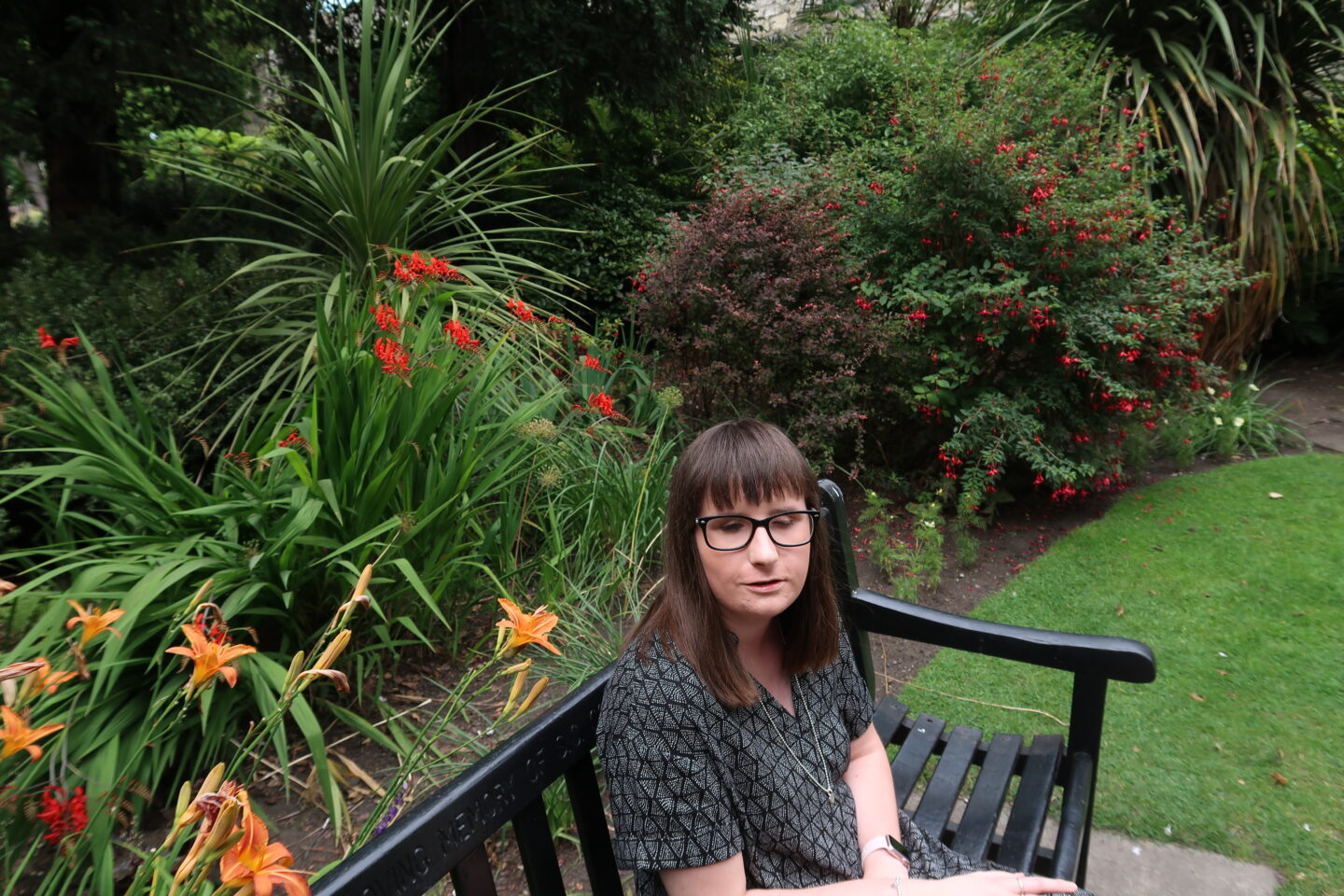
My vision impairment and body image
Body image is so much more than the visual aesthetics. Our own views, perceptions, feelings and attitudes all play a part.
For me, some of the perceptions surrounding my body image stem from my vision impairment and the way my eyes look. Ironic isn’t it?
I have often been told that I “don’t look blind”, and I never quite know how to react to that. I always want to look my best, and I care about the way I look.
When I was younger, I never really thought about the impact my vision impairment had on my body image, because it never really played a part.
There have always been aspects of my body I don’t like or parts that I’m not happy with, but that’s something we all experience, it is completely natural.
The older I got, the more I learned to love my differences, some relating to my disability and some not so much.
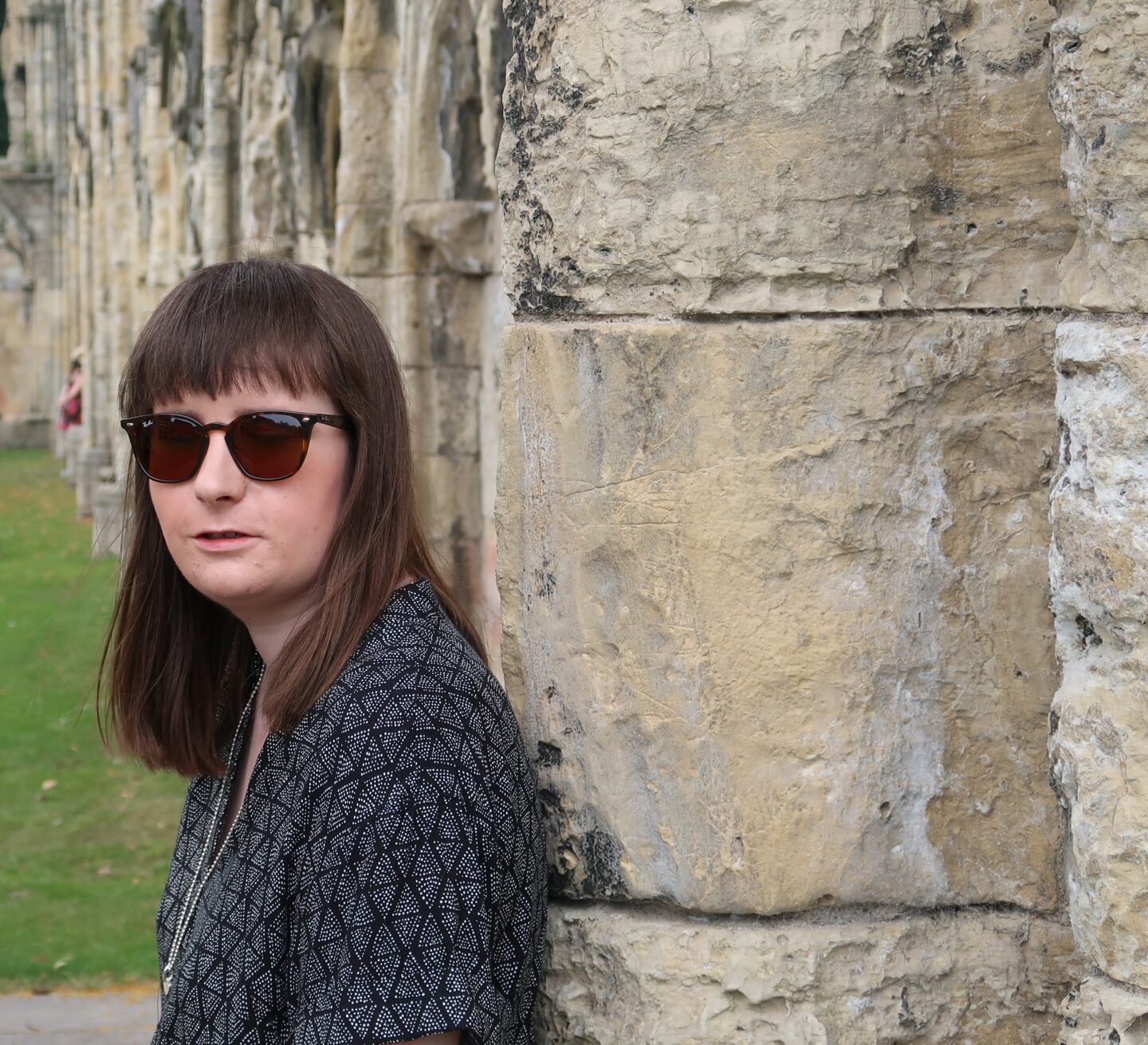
However, in 2016, I suffered a deterioration in my left eye which changed everything for me. My vision impairment then became a part of my body image and something I had to learn to love. Truth be told, I’m still learning to love it today.
Until that point, I’d never had a problem with my eyes, other than the obvious fact they don’t really work…
There are many days when my eyes look red, sore, and swollen. On these days, I struggle to open my left eye fully and I worry about the way it looks. However, on the good days, you wouldn’t even be able to tell.
It’s something I can’t control. The more discomfort, the worse it looks.
I feel very self-conscious about it, and it sometimes makes me feel anxious, especially when I’m doing certain things like being in a meeting, on a video call or doing a presentation at work.
I know that in the grand scheme of things it’s small, and that people probably don’t notice as much as I do. But it affects my body image, so that’s why I’m talking about it.
There are days when my eyes feel, and probably look horrible, but no matter how many positive affirmations I tell myself on the bad days, it won’t stop the discomfort. These days I don’t like the way they look, and I struggle with my body image.
Do I wish my eyes would go back to the way they used to be, and that I had no problems? Of course I do.
But I’m learning to love and accept them for the way they are. They are part of my body, and they are part of the person I am.
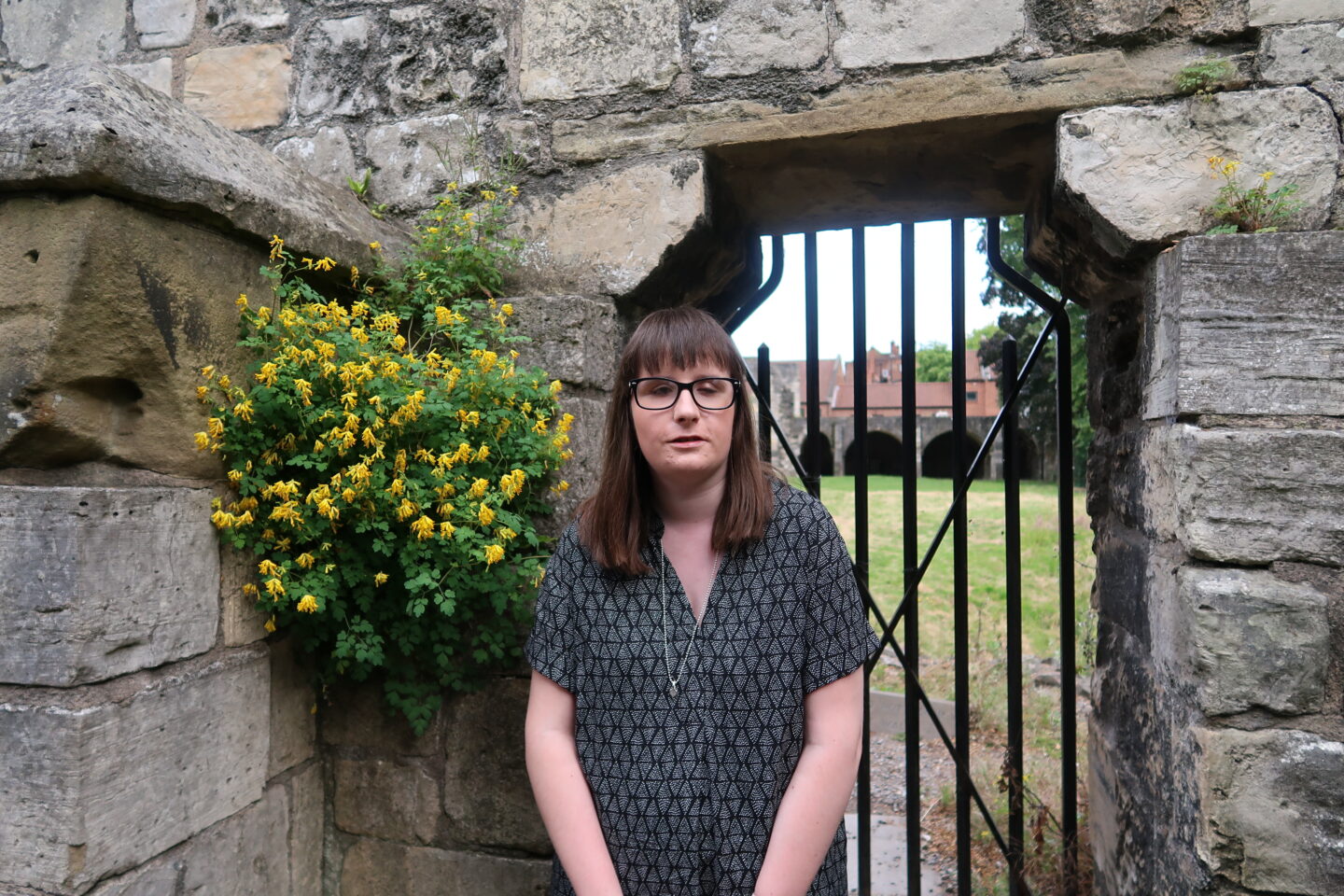
A message on body image and disability
Body positivity is so much more than loving your weight, your skin or your imperfections. It’s about learning to love and embrace your disability.
Disability is a huge part of our body image, and it’s something that should be addressed in the same way as the other aspects.
Society tells you to love your flaws and imperfections, but disability is often forgotten. Whilst these things are important, we also need to bring disability into the conversation.
No one should feel pressured to look a certain way, but we need to normalise disability too. The relationship between disability and body image should be recognised and valued.
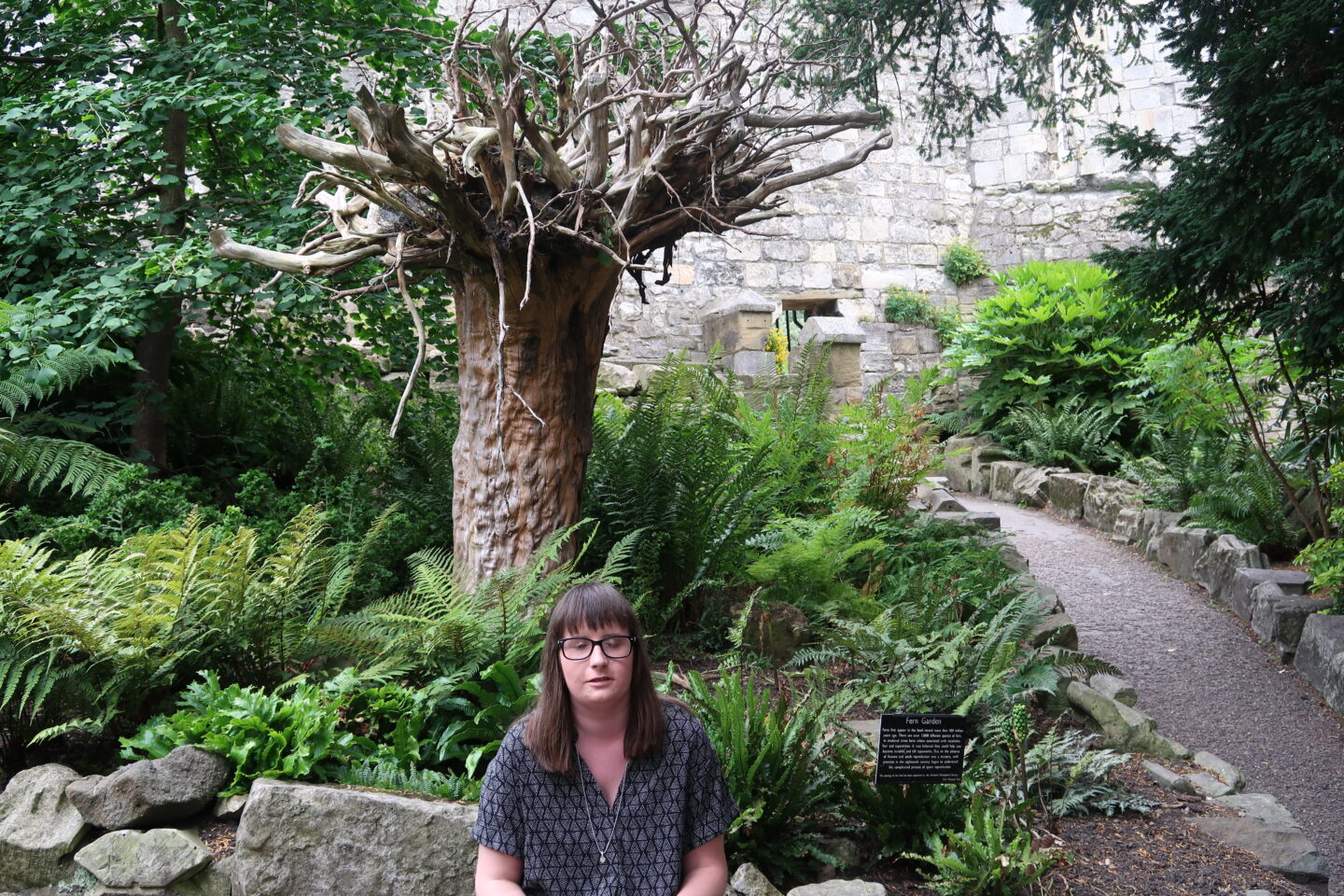
Disability representation often takes the pitiful or inspirational approach, and reinforces outdated stereotypes. But that’s not the reality. The things that need to be represented are the normal, independent lives we lead. The representation needs to be realistic and reflect our reality.
We need to see disabled people represented within the media and the fashion industry, but most importantly, within all aspects of society.
In films and TV shows, disabled characters are regularly played by non-disabled people. That doesn’t give a sense of diversity, and it doesn’t create change either.
How can we encourage the younger generation to take pride in their disability or have a positive relationship with both their body image and disability when they aren’t represented?
There are so many disabilities – both visible and invisible, and we need to recognise that.
I’ll go back to a previous point: we need to be encouraging the younger generation to celebrate their bodies, embrace their disability and love who they are no matter what. In order to do that, we need to bring disability and body image into the conversation,
We need to recognise that disability can play a part in body image. We need to be lifting each other up, not tearing each other down.
Disabled people shouldn’t be forgotten or go unnoticed.
Disability and body image can go hand in hand, so we need to have open, honest and judgement free discussions about it.
Disabled people need to be represented, we need to be brought into discussions on body image and body positivity.
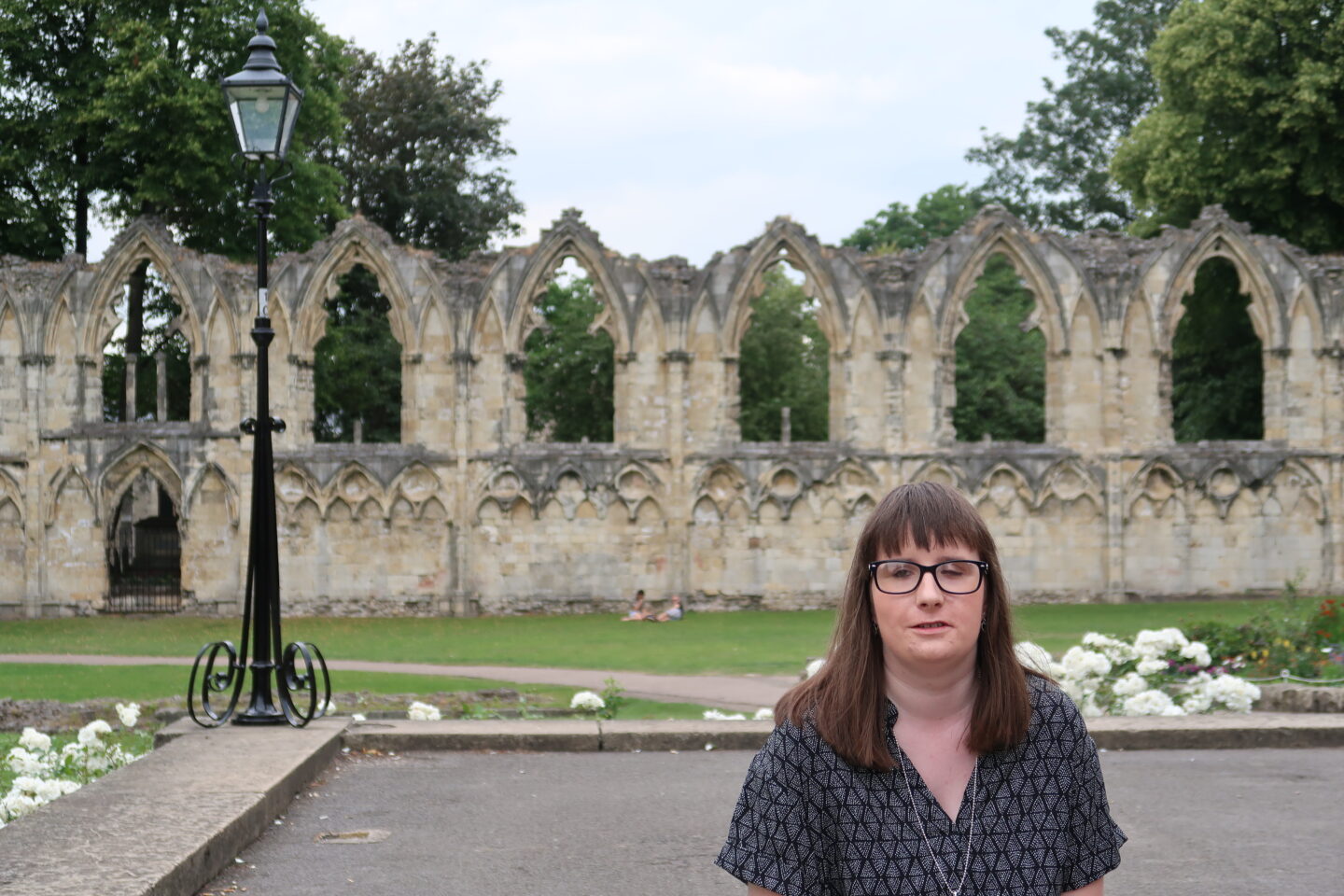
I hope this post goes some way in sparking conversation surrounding disability and body image.
From sharing a lot of my life with a vision impairment online, I know that it can often be a comfort to read other people’s stories and experiences.
Disability and body image aren’t spoken about enough, so if sharing my own story and discussing my imperfections helps someone else out there then that makes me happy.
I’d love to hear your thoughts on disability and body image in the comments.
Holly x

![There’s a phrase we hear far too often: “fully accessible”.
Hotels use it. Venues use it. Website developers use it. Event organisers use it.
On the surface, it sounds brilliant. But there’s no one size fits all approach to accessibility.
Because accessibility isn’t a box you can tick once and forget about. There isn’t a magic point where something becomes accessible to every single disabled person.
Our access needs are different. What works for one person might not work for another.
Rather than asking, “is it accessible?”
Ask: “Accessible for who?”
In my latest blog post, I’m exploring why “fully accessible” is a myth. Head to the link in my bio if you’d like to give it a read.
[Image descriptions:
Image one: Holly stood on a pier, leaning against a railing by a sandy beach with the sea in the background. She wears a black T-shirt, a skirt with a colourful floral pattern, a silver necklace and glasses.
Image two: Holly sat on a low stone wall beside a shallow stream with a path running alongside it. Dense green bushes and trees line the far bank, forming a thick hedge along the water. There is a small bridge and a building in the background. She wears a black T-shirt, a long, multicoloured patterned floral skirt and a silver necklace.]](https://lifeofablindgirl.com/wp-content/plugins/instagram-feed/img/placeholder.png)
Hi
thank you so, so much for such an honest post.
I loved it!
I couldn’t agree more with the points made in this post.
thank you xx
Thank you so much! Really glad you agree xx
I completely second the fact that this is a conversation we need to be having more of; Whilst self-confidence and body image is becoming less a taboo of a topic, disability needs to be included in those conversations and recognised as something that can impact the way we think and view ourselves. I’m totally with you in saying that young disabled people need to be encouraged to celebrate their bodies but also to recognise the fact that it’s okay to feel self-conscious, it’s normal and there are so many other people in the same boat. Thank you so much for writing such an honest and real post, I loved reading as always xxx
Yes 100 %, couldn’t have said it better myself! Thank you so much lovely, that honestly means the world xxx
This is a great post.
I’ve been told I, “Don’t look blind,” too. Like you, I’m not sure how to take that. Especially since both my eyes are artificial… *shrugs*
Mind you, I’d rather people say that than what one person said to me, which still hurts several years later. I’ve always struggled with my weight, and quite frankly wish people would understand that I’ve tried to be my recommended weight, but it’s just not happening. Anyway, my weight struggle is another story. The point is, a family friend was present during one of the many conversations I’ve had over the years with my Mother about various ways she thinks I should try to lose some weight, and the family friend decided to impress upon me the importance of trying one of my Mother’s new ideas by saying that, “If you could see, you’d know how fat you are, and then you’d understand why it is we want you to lose the weight.” Like I said, it still hurts several years later. I don’t need sight to know I’m heavier than I should be, and find the fact someone would think so – especially someone who has watched me grow up, so should know better – really upsetting.
Thank you so much! Ahh that’s really interesting haha.
Oh gosh, that all sounds awful, I’m so sorry that they said that to you. I can only imagine how much that hurt, and still does today. Remember you are amazing the way you are!
Thanks. 🙂
What a cruel, heartless thing to say. Im sorry that happened to you. As for your weight, are you happy? Active? Other factors? There is more than weight, and we need to remind ourselves that life is not measured on the scales, the Snellen eye chart, or the number of Facebook friends. I’m glad to meet you. 😎
Great post.
Thank you