Let me start by explaining the idea behind this post; the automatic assumption that just because someone has a disability, they are deemed to be brave.
As a disabled person, it’s something I encounter on a regular basis.
So, I’m doing what I do best (I hope) and taking to the blog to share my thoughts and feelings on this particular topic.
Before we get into it, I just want to point out that this post is not meant to cause offence in any way. My blog is a place where I document my own thoughts and experiences, and this post is adding to that growing collection.
With that out of the way, let’s get into it then shall we?
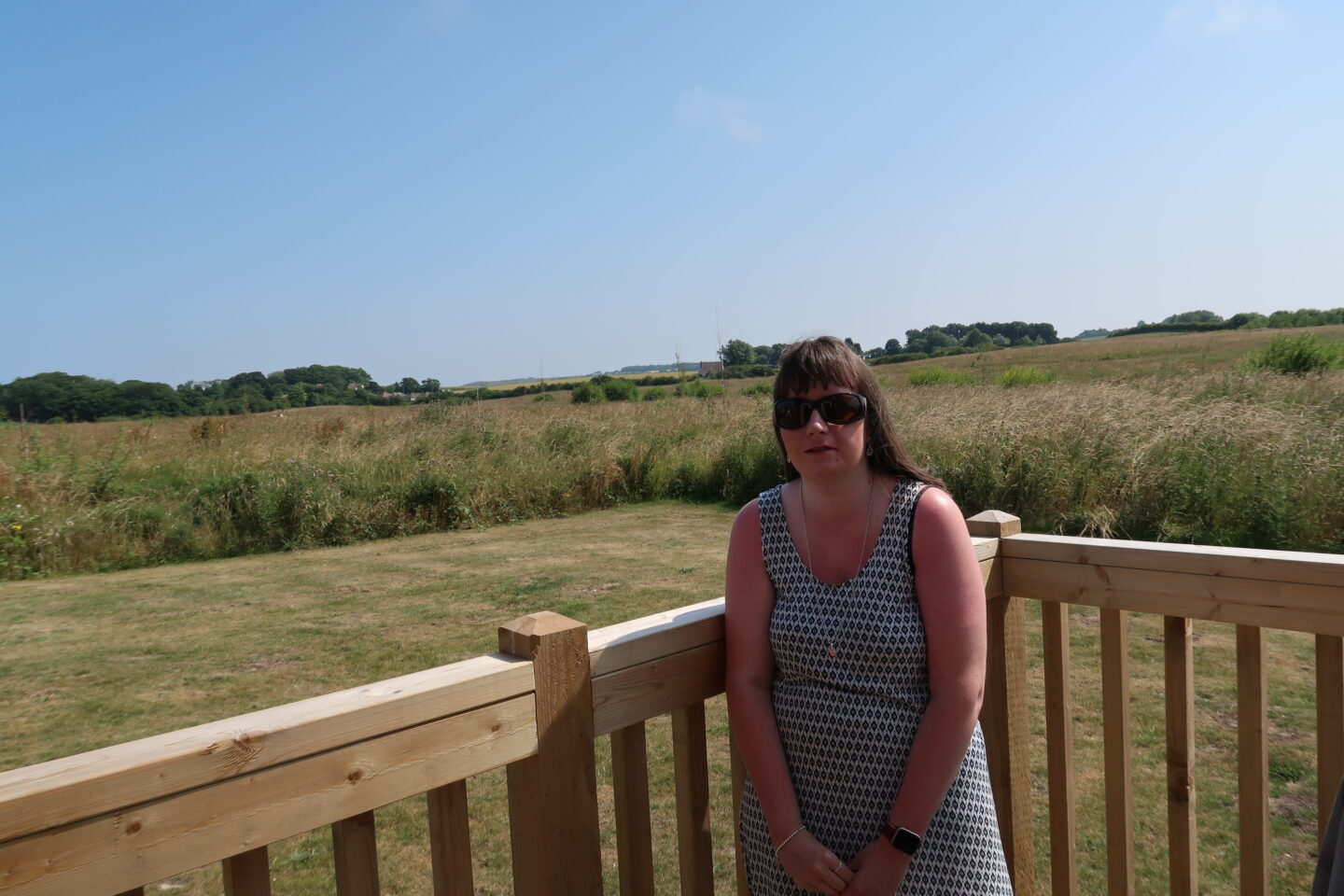
Being disabled doesn’t make me brave
“You’re so brave” is something I hear often. It’s a phrase I’ve been in the vicinity of for years, yet it never gets any easier to digest.
I feel awkward, a sense of uneasiness washing over me. I’m left feeling confused and conflicted, because I never know how to respond.
It’s an internal battle; I don’t want to seem rude for challenging such notions, but I don’t want to go along with something that makes me uncomfortable either.
I ask myself how am I brave? I haven’t done anything heroic or extraordinary, yet I’m presented in this way. I’m pretty much your average girl in her 20s, who just happens to be blind. That doesn’t make me brave. I’ve never done anything to warrant that label.
I know exactly where people are coming from with this assumption – they think that because I’m blind, I’m brave. They simply couldn’t imagine being in my situation. Whenever they think about it, it fills them with fear. They can only begin to imagine what it must be like. And I get why they may feel this way, I really do. However, my blindness does not make me brave.
I’m seen to be brave because I don’t let my disability get in the way of the things I want to do; I don’t let it stop me from achieving my goals.
I know these people mean well, and they’re trying their best. They have good intensions, so I know they’d feel awful if they realised how it made me feel. Calling me brave probably makes them think they’re giving me a compliment.
A compliment is when you feel like you’ve been praised, and being called ‘brave’ doesn’t make me feel like that.
I’ve heard the phrase “you’re so brave” in a couple of contexts in regards to my vision impairment. The first is as part of my disability related work within blogging , freelance writing, public speaking and disability activism. The second is when I’m doing everyday tasks such as making a drink, using a computer or getting from A to B using my cane. Non-disabled people aren’t called ‘brave’ for doing these things, so why does my vision impairment play a factor?
The word bravery also crops up from time to time when people read a piece about me in the media or hear me on the radio. I’m always extremely grateful when people reach out to me, but I’m left wondering how they think I’m brave for sharing part of my story in one way or another. It’s worth noting that it’s one small segment of my story, and does not include everything about me or my life.
I think the label of bravery takes away the value of the intended reason behind the article, or the particular story or experience.
It’s important to look at where the assumption of disability and bravery stem from. The depiction of bravery comes from many aspects of the society we live in, which dictates people’s views on disability.
One of the aspects is the language that surrounds disability. It often includes connotations of pity or shame. Granted, we’ve come a long way in changing the narrative, but those ideologies still exist. Those impressions of pity seem to bring a natural instinct of bravery. The narrative surrounding disability is unfortunately tainted with these assumptions. When disabled people go against these misconceptions, this is when people see us as being heroic, inspirational or brave.
Disability representation also plays a huge part. In the media, disabled people are often portrayed to be the victim, prompting feelings of pity. When we’re seen in this way, people assume that our lives must be terrible. But that’s not true. When we’re living ‘normal’ lives and pushing against the stereotypes, those ideas of bravery make an appearance because we go against the assumptions that are portrayed within the media and other outlets. In order to tackle the assumption of bravery, we need to see positive, real and accurate representation of disability. I do think that social media is helping to change this, as it is giving disabled people a platform, but there is still room for improvement.
The representation of disability is vital when changing attitudes.
When we think about bravery, we need to ask ourselves about what it actually means.
To be brave is to do something heroic or courageous. The fact is, my disability makes me neither of these things.
I’m not superhuman, nor am I a hero. I haven’t shown an insurmountable amount of courage or fearlessness. And that’s okay.
But the point here is I haven’t done anything to be given the label of bravery. I guess in a way I feel like I’m doing a disservice to those that have.
I choose to talk openly about my experiences of living with a vision impairment because I want to raise awareness and help others. I don’t feel brave when I’m curating a blog post or getting involved in a campaign. Sharing your life as a disabled person online isn’t for everyone, but it’s a choice I made, and I don’t feel brave for making that decision.
Disability means many things to me – it’s determination, defiance and it’s often finding an inner strength. It is full of opportunities and the chance to be part of an incredible community. Disability is beautiful, but it’s not bravery.
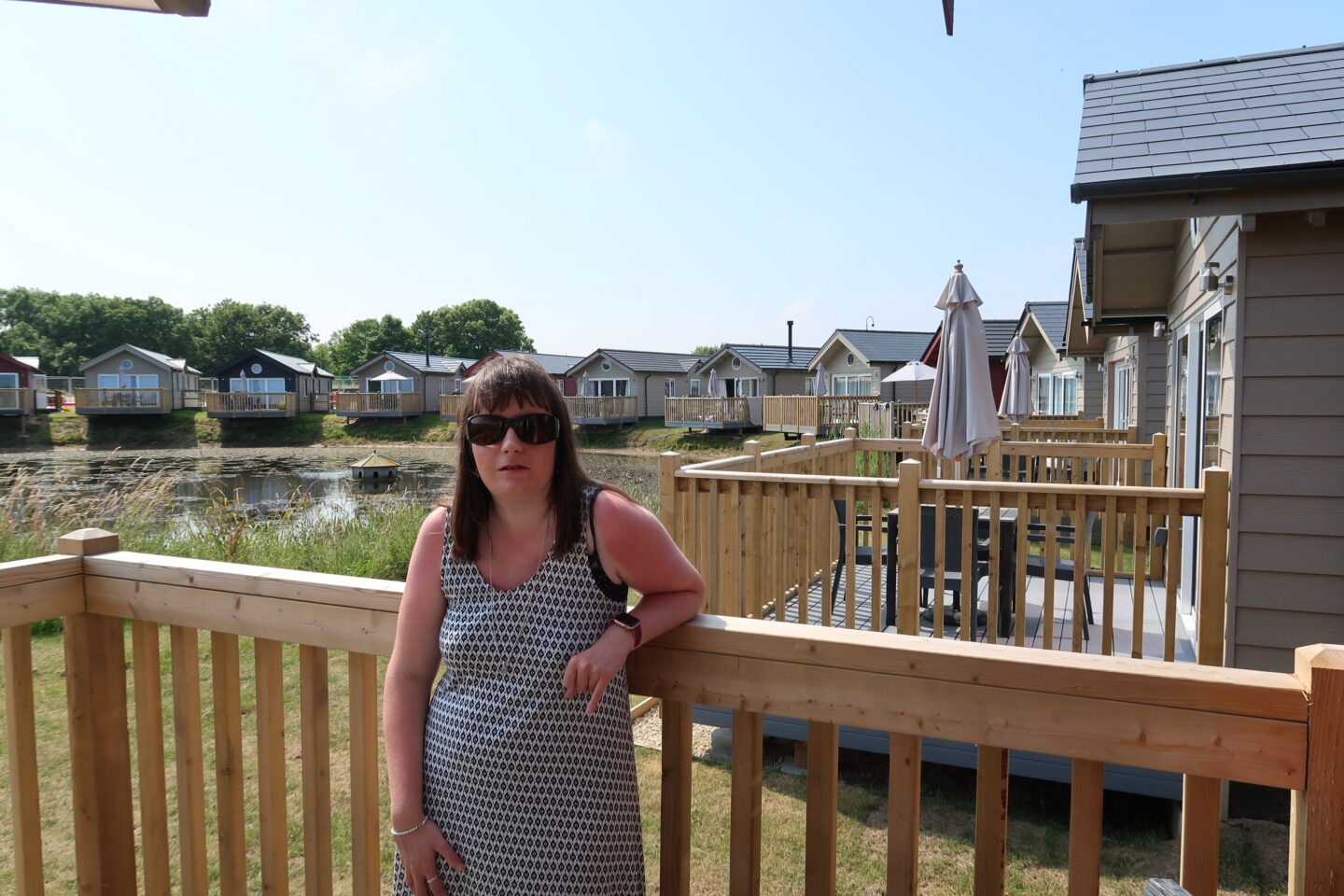
I ask myself, why does the stigma that’s attached to disability and bravery get to me so much? I think the main answer to this question is that being called brave implies that I’m automatically seen in this way just for having a disability. My disability is part of my identity, it’s part of who I am.
I’ve learned to accept being called ‘brave’. But the bottom line is that I don’t want to be seen in that way for simply being a disabled person, I want there to be a reason behind being given that label.
If you think someone is ‘brave’ then that’s great. But please make sure that it’s for the right reasons, not for pity or shame.
I’d love to know that I’m not alone in feeling this way. Have you been called ‘brave’? How does it make you feel?
Holly x

![There’s a phrase we hear far too often: “fully accessible”.
Hotels use it. Venues use it. Website developers use it. Event organisers use it.
On the surface, it sounds brilliant. But there’s no one size fits all approach to accessibility.
Because accessibility isn’t a box you can tick once and forget about. There isn’t a magic point where something becomes accessible to every single disabled person.
Our access needs are different. What works for one person might not work for another.
Rather than asking, “is it accessible?”
Ask: “Accessible for who?”
In my latest blog post, I’m exploring why “fully accessible” is a myth. Head to the link in my bio if you’d like to give it a read.
[Image descriptions:
Image one: Holly stood on a pier, leaning against a railing by a sandy beach with the sea in the background. She wears a black T-shirt, a skirt with a colourful floral pattern, a silver necklace and glasses.
Image two: Holly sat on a low stone wall beside a shallow stream with a path running alongside it. Dense green bushes and trees line the far bank, forming a thick hedge along the water. There is a small bridge and a building in the background. She wears a black T-shirt, a long, multicoloured patterned floral skirt and a silver necklace.]](https://lifeofablindgirl.com/wp-content/plugins/instagram-feed/img/placeholder.png)
Brilliant article, I am saving it for when I am delivering training, you will be quoted! Rarely have I read a post that speaks to me so much.
Thank you so much!
Hey Holly,
Interesting postas usual.
I get the “Gosh you are brave getting about London” fairly often too.
But I dont take too much umbrage at it.
As you so rightly point out its just something we have to do.
But with fear of the dark built into our species as a survival instinct, and the public perception of the visual capacity of someone with a cane, I can sort of understand.
At the same time, it seems to me you are courageous. Perhaps not the act of going to the shops or work or whatever but for choosing to confront a disability.
I know when I started to lose my sight, I ended up in a pretty low place, and I had a couple of options – to sink into misery and essentially vegetate, or to say to hell with it – I am going to live my life to the fullest possible extent and not let someone else’s idea of a “limitation” limit me..
You have done the same thing – it’s the harder choice in many ways – sitting alone feeling sorry for oneself would be much easier – involves less stress, anxiety, mental focus and so on. OK it makes for a crap life, but its an easier life than getting up and dealing with the stupidity and ignorance out there!
To be honest what annoys me more, is when dealing with someone on the phone – banks, inland revenue etc, and they ask you read out your accoubnt number or some such, and when you say sorry you cannot because you are visually impaired they say “I am so sorry” . That annoys me no end – I might accept your “admiration” but dammitalltohell, I won’t accept your pity.
I think we need to accept words like brave in the spirit in which they are intended, and understand that most sighted people, if they think in the abstract about what their life would be like if they couldnt see, would be terrified.
So no, I can put up with being called brave – what I can’t stand is when people handle my cane in an effort to be helpful,
I really hate it when someone grabs my stick. I suppose its the equivalent of being guided by someone shinging a bright light in your eyes, I don’ t know if it just a personal prejudice, but it really offends me, I feel almost viol;ated oddly enough.
Anyway take care and have a great week.
nick
Thank you so much, Nick. Your words mean a lot. I agree with you on how we chose to not let our vision impairment stop us! And I think you are right, that does show a form of courage.
You’re definitely not on your own when feeling annoyed and frustrated with the words of pity or times when people grab our canes, I can relate to that one
When I read this post briefly, I’ve never been a person who has been seen as brave for being blind. I’ve been referred to as brave more for my medical battles I’ve had to deal with throughout my life. Being in and out of hospital during my childhood and early adult years although in my adulthood I haven’t been in and out of hospital as much as w when i was a child but then there’s having to deal with more death at a younger age than one has to. Being in an adult dialysis unit as a teen ager hasn’t helped much. Yes I might be seen as resilient for getting through all that but this takes a me mental tol later.
Absolutely. Thank you for sharing your thoughts and experiences
I can relate to the internal battle monolouge. On the one hand people have that fear of what it actually means because they’ve never dealt with it first hand but because they haven’t faced it first hand they can’t appreciate that just because we do things differently doesn’t make us brave we do it out of neccesity. x
Absolutely this! x
Thanks for sharing. 🙂
Holly, after reading your blog titled, Being disabled doesn’t make me brave” it really resonated with me. My name is Jacob My name is Jacob. I am attending university hoping to become a Teacher of the Visually Impaired (TVI). I value your input. This blog is a very interesting topic that hooked me as I search for experiences and perspectives from individuals who have experience living with a visual disability and share about it. What is so critical about your post that drew me to read more was the honesty and truth to the message you are conveying and how pertinent it is. In one of my classes this semester I read a book called “How can I help?” by Paul Gorman and Ram Dass. I will admit the read is not for everyone yet it did open me up as well as take a second look at the idea of what it means to really help, not just think you are helping.
After reading your post, I can really hear you saying that when others tell you how brave you are, and you feel uncomfortable, this is not helping. I would hope that as I become a TVI, I learn quickly the “do’s and don’ts” of how to be most effective. I am not perfect by any means yet I hope that I at the very least can help my students feel comfortable. Maybe humor is the best way to respond in the future as a way of letting the other know your stance in a light hearted way while also raising awareness yet, I believe you will determine what is best for you. Either way, I do pick up on the undertone that the individuals who say this to you, cannot possibly imagine what you are going through for the reason that if they could, they would not think you are brave, but instead the typical 20 something year old that you are who so happens to be blind. This is a paradigm shift in thinking that should be targeted in disability awareness as well as better understanding others.
In my personal opinion, this projection of other people’s fear, in regards to your vision situation, gives you every right to feel uncomfortable. You’re not scared of losing your vision, you’re too busy living your best life! If you are not scared, you don’t need to be brave. While these comments may mean well, I’m glad that you note these individuals have simply “missed the mark”.
Again, it was not until I read the book “How can I help?” that I realized what you mean when you say that these people are probably trying to make themselves feel better by giving you a compliment. They may even be coping with the misunderstanding and stigma of victimization and pity. It has never occurred to me that people have been brought up to respond this way for many years and for the majority of them they are simply acting unconsciously.
After reading this post I can honestly say that you have helped me understand more clearly the implications of seeing my students and friend, family member, or acquaintance first and foremost as a regular person, who happens to have a visual impairment. This simple shift will allow me to interact from the proper perspective. You are brave for being yourself, you are brave for raising my awareness, you are not brave for being a person that happens to be visually impaired. Thank you for sharing this invaluable reflection of your experiences.
Thank you so much for your kind words, Jacob. I’m really pleased that this post has helped deepen your understanding in some way.
Thank you for sharing your thoughts, I completely agree with you on everything you said.
Wishing you the best of luck with your studies, I have no doubt that you’ll be a fantastic TVI!